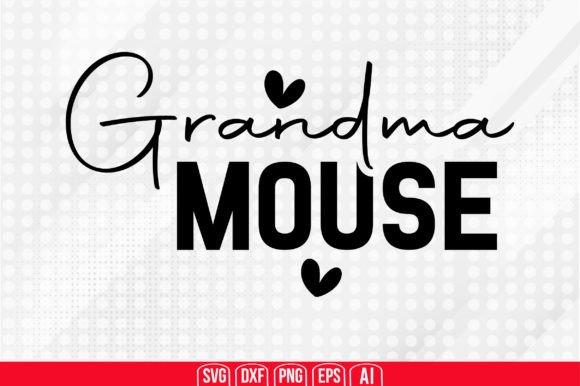
Grandma Mouse Svg: A Versatile Graphic Design Asset for Creative Publishing
Real-World Applications in Content Publishing
- Blog Featured Images: Use Grandma Mouse as a central visual element in a blog post about DIY gifts or holiday traditions. Its charm elevates the first impression and aligns with the theme.
- Pinterest Graphics: Pairing Grandma Mouse with a warm color palette and clear typography creates Pinterest pins that stand out and invite clicks.
- Article Headers: Insert it subtly into headers for articles related to family recipes, crafting tips, or retro-style tutorials. It reinforces the editorial mood and improves visual hierarchy.
- Newsletter Banners: The character can be used to introduce seasonal newsletters or themed updates, adding a familiar face to keep subscribers engaged.
- Digital Guides and Lead Magnets: Incorporate Grandma Mouse into free printable checklists or worksheets about starting a craft business or organizing a sewing room. It adds a layer of trust and fun.
- Media Kits and Brand Assets: If your brand identity includes whimsy and tradition, this SVG could represent your creative offerings in press materials or influencer collaborations.
Where Grandma Mouse Shines
- Hero Images: As a focal point in a blog post hero section, it sets a welcoming tone and invites readers to explore further.
- Article Thumbnails: For thumbnail images on a blog homepage, it adds a distinct visual signature that aids in category recognition.
- Social Media Previews: On platforms like Instagram or Facebook, the mouse graphic can anchor your posts and make them more clickable.
- Content Upgrades: Used in downloadable resources such as digital product bundles or printable calendars, it gives your lead magnet a polished finish.
- Canva Templates: The SVG works beautifully in Canva designs for infographics, quotes, or promotional banners. Its layered nature makes customization easy.
Where to Use Carefully
- Small Mobile Thumbnails: The intricate details may get lost when scaled down, reducing its impact.
- Text-Heavy Blog Images: If your graphic needs to convey a lot of information, Grandma Mouse might compete with readability.
- Low-Contrast Backgrounds: The soft lines and muted tones won’t pop effectively against similar colors, so choose your background wisely.
- BUSY LAYOUTS: In layouts with many elements, the SVG could become overshadowed or disrupt the overall flow.
- Serious Professional Niches: This asset is better suited for lifestyle or creative brands rather than corporate websites or technical blogs.
- Websites Requiring Minimalist Design: If your site follows a very clean, modern aesthetic, Grandma Mouse might feel out of place unless integrated thoughtfully.
Publisher Tips and Best Practices
Test it on desktop and mobile screens: Ensure it looks good and remains legible across all devices. Sometimes what looks perfect on a large monitor becomes pixelated or awkward on a phone.
Check how it looks as a thumbnail: Resize it to see if it still communicates clearly. If the character is too subtle, consider simplifying or adjusting contrast.
Preview inside a real blog layout: Place it within a live page to assess spacing, alignment, and overall visual harmony with other design assets.
Test it with headline text: Does it complement the font? Try pairing it with serif fonts for a classic look, sans-serif for modern clarity, or script/handwritten fonts for added charm.
Review contrast and readability: Make sure it stands out against your chosen background and doesn't interfere with important text elements.
Try it in black and white: Some graphics lose their impact without color. Grandma Mouse retains enough detail to work in grayscale, which is great for print or monochrome layouts.
Review file size for web performance: Since you receive SVG, PNG, JPEG, EPS, and DXF formats, pick the one optimized for your platform. SVGs load quickly and scale well, making them ideal for web design and email headers.
Compress images properly: Before uploading, compress PNGs and JPEGs to ensure fast loading times, especially for featured images and downloadable resources.
Confirm commercial licensing: Always verify that you have the right to use the asset in monetized websites, affiliate pages, or paid content products. Licensing is crucial for legal compliance and long-term use.